


Calling for photos for the 2027 Friends’ Calendar
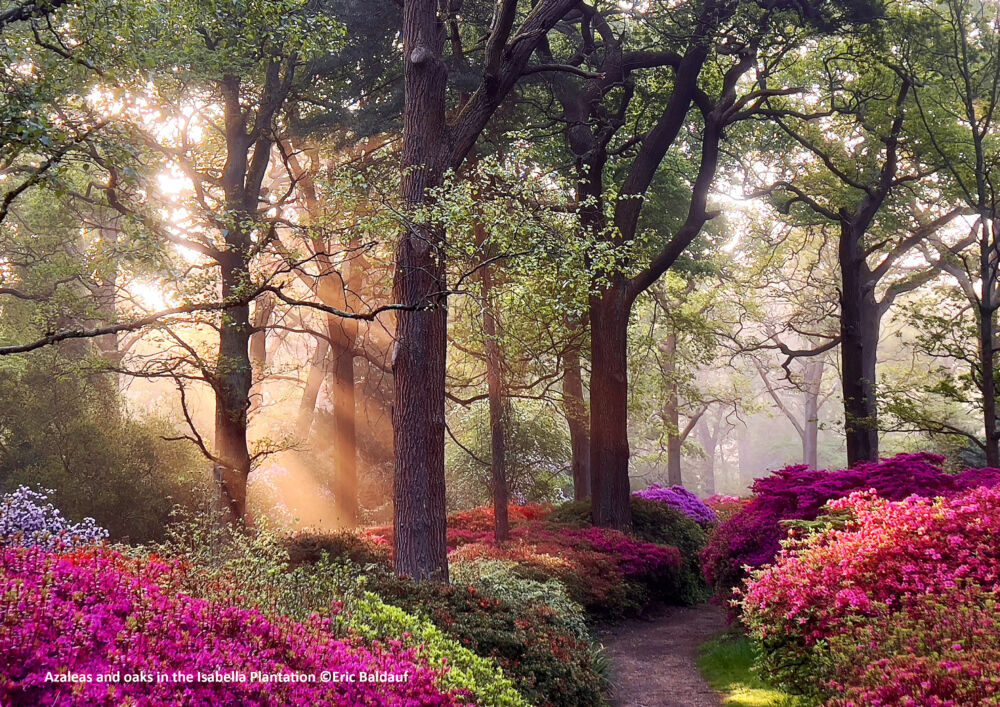
Main photo: From the 2026 Calendar: Front Cover and April main image. Azaleas and oaks in the Isabella Plantation © Eric Baldauf
We are inviting the submission of photographs for the 2027 Richmond Park Calendar, which will be landscape format.
Each photographer may send in up to 4 photographs of flora, fauna or landscapes taken in Richmond Park during the last year and preferably during different seasons.
Our Calendar is very popular, helping to raise substantial funds for projects in Richmond Park, so we are very grateful to all those who donate their photographs.
The closing date is 31 May 2026.
Link to submission page: https://www.frp.org.uk/2027-calendar-photo-upload-page
Help protect the skylark
This is an important time of year to protect the skylarks in Richmond Park as they create territories and go into their breeding season. The skylark is now a red listed species signifying its dramatic decline in numbers and all visitors are asked to help by observing rules in the nesting areas.
Please respect the designated skylark protection zones – keeping dogs on leads and sticking to specified paths to prevent disturbing the skylarks’ ground nests.
Video: Richmond Park SOS: Save Our Skylarks
March rarities
In November 1842 a very large eagle, very likely a White-tailed Eagle, was shot in the Park by a Mr John Lucas. On 14th March last month, after a wait of almost one hundred and eighty four years, one was spotted briefly over the Park. Our largest bird of prey, they were introduced to the Isle of Wight in 2019 with the intention of encouraging their spread along the south coast of England. Once released they tend to roam quite widely across Britain in their first few years, and so it was only a question of time before one was recorded here. This one, which has whetted the appetite for more, might actually have come from further afield.
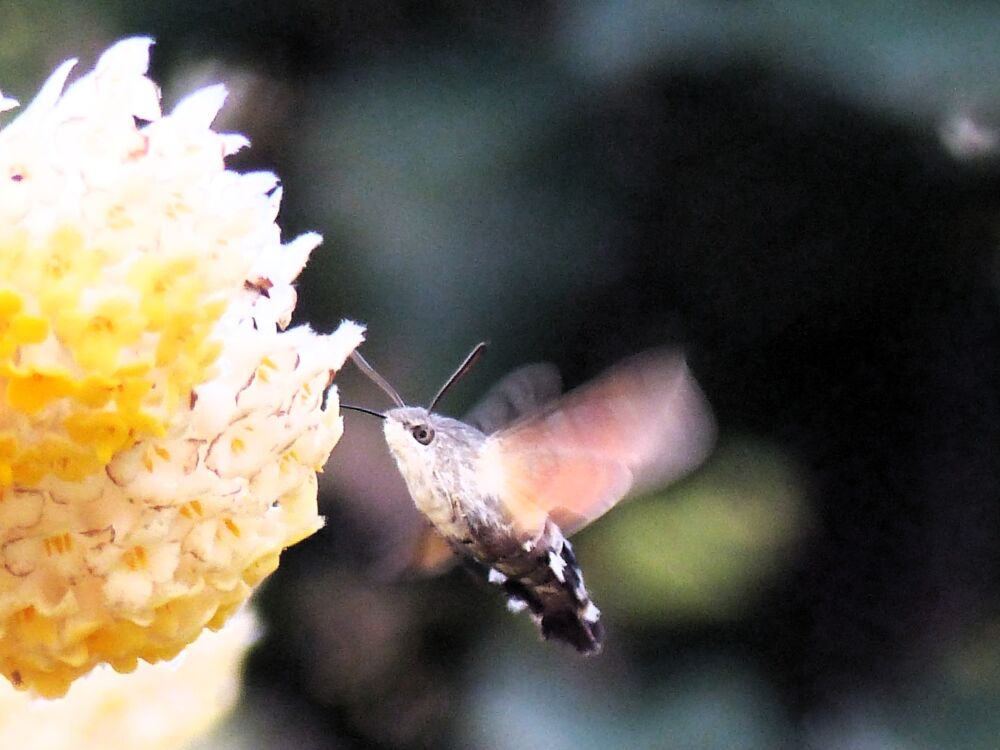
Hummingbird Hawk-moth Photograph: Nigel Jackman
Paling by comparison another rare and early sighting, on 5th March, was of a Hummingbird Hawk-moth seen sipping nectar in Pembroke Lodge Gardens. A few of these day-flying moths manage to over-winter in this country and they can be seen in any month of the year, but mostly they migrate from southern Europe between May and September. This individual was taking advantage of a sunny and unseasonably mild day with warmth brought up from southern Europe, perhaps bringing the moth with it.
Then another unexpected sighting. Butterfly Conservation declared that the Large Tortoiseshell butterfly, previously officially extinct in Britain, had become a breeding resident again, and two weeks later the Park had its first record when one was spotted by Upper Pen Pond.
New edition of The Birds of Richmond Park
The latest updated edition of The Birds of Richmond Park listing 178 different bird species spotted in the Park over the last 10 years, has been published. It gives guidance on whether the birds are resident, summer or winter visitors, or if they are rare species in the Park. Compiled for the Richmond Park Bird Group by Nigel Jackman. Sources: Richmond Park Bird Group and London Natural History Society records.
Birds of Richmond Park 2016-2025
The Friends at 65
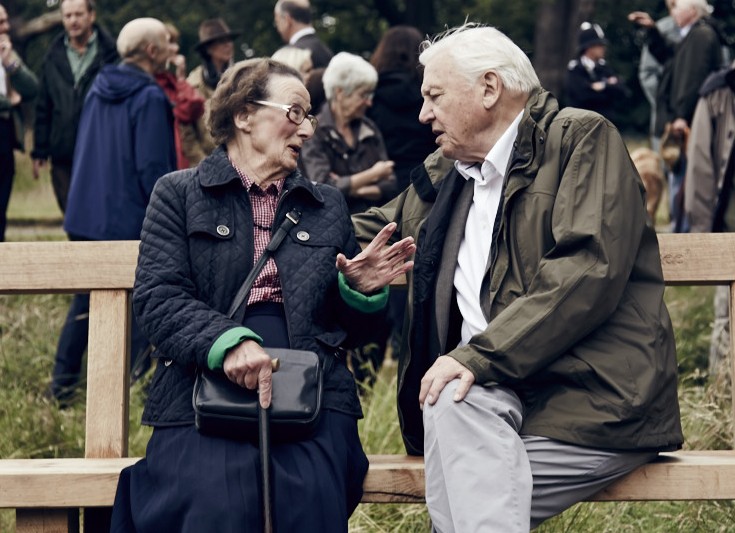
Wendy Macaulay who, with Mary Gueritz, founded the Friends, with Sir David Attenborough.
On 27th March the Friends celebrated its 65th anniversary. We were established in 1961 by Mary Gueritz and Wendy Macaulay who were concerned about the threat to the Park from reported plans for a new road across Richmond Park. The inaugural meeting attracted 112 people paying a membership fee of 2/6d!
The first campaigns were:
- against the new road (it was never built);
- seeking the removal of the army camp near Kingston Gate (which happened in 1966); and
- pressing for the scrapping of the increase in the speed limit from 20 to 30mph (which didn’t happen until 2004).
Mounds replacing Thomson’s Teeth
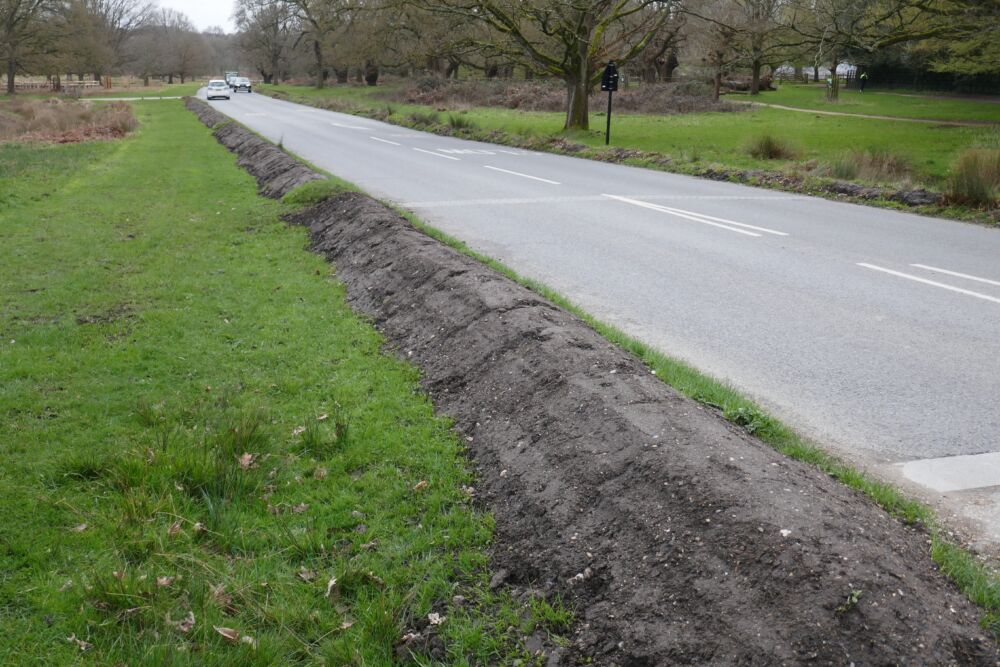
Visitors to the Park will have seen small mounds by the side of some roads. These are replacing Thomson’s Teeth, wooden stakes named after George Thomson (the Park Superintendent from 1951 to 1971), which were designed to prevent cars from straying from the tarmac. The mounds are intended to achieve the same aim while being safer and more natural.